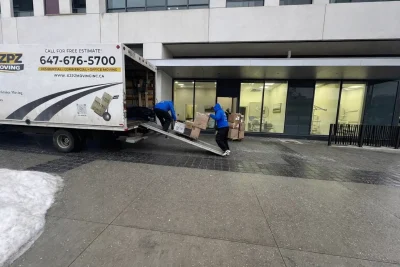


- Introduction
- Toronto Is Not One Moving Market
- Residential Moving in Toronto
- Commercial Moving in Toronto
- Long-Distance Moving From Toronto
- Packing Services in Toronto
- How to Choose the Right Moving Company in Toronto
- Toronto Moving Checklist
- Downtown Toronto Moving Areas
- Frequently Asked Questions
- Final Thoughts
Introduction
If you're planning a move and searching for a reliable moving company in Toronto, you're probably focused on price, availability, and finding a crew that can show up on your preferred date.
That makes sense.
But those factors are rarely what determine whether a move goes smoothly or turns into a stressful, expensive, all-day ordeal.
Toronto has a way of exposing weak planning.
A 3-kilometre move across Downtown Toronto can sometimes take longer than a move across an entire suburb. Elevator reservations, loading dock restrictions, construction detours, traffic congestion, concierge requirements, and parking limitations all have the potential to turn a seemingly simple move into a logistical challenge.
What looks easy on a map rarely feels easy on moving day.
Most people only discover this after they've already gone through it once.
This Toronto Moving Guide exists so you don't have to learn those lessons the hard way.
Toronto is Canada's largest city, with high-rise condo towers, historic neighbourhoods, office districts, residential communities, mixed-use developments, and constantly evolving infrastructure. That means two moves of exactly the same size can feel completely different depending on where they happen.
A one-bedroom condo move in Liberty Village is not the same as a detached home move in Etobicoke. An office relocation in the Financial District is not the same as moving a small business near Queen West. A long-distance move from Downtown Toronto to Ottawa presents very different challenges than relocating between two condo buildings in CityPlace.
That is where most moving problems begin.
People plan for the size of the move but fail to plan for the conditions surrounding the move.
Whether you're moving from a condo, apartment, townhouse, office, or detached home, understanding how Toronto's unique moving environment works can help eliminate many of the problems people commonly face.
Our team regularly coordinates residential, commercial, condo, and long-distance moves throughout Downtown Toronto, including King West, Liberty Village, CityPlace, Harbourfront, Fort York, Wellington Place, the Entertainment District, and the Financial District. One of the biggest lessons we've learned is that preparation usually matters more than the move itself.
Toronto Is Not One Moving Market
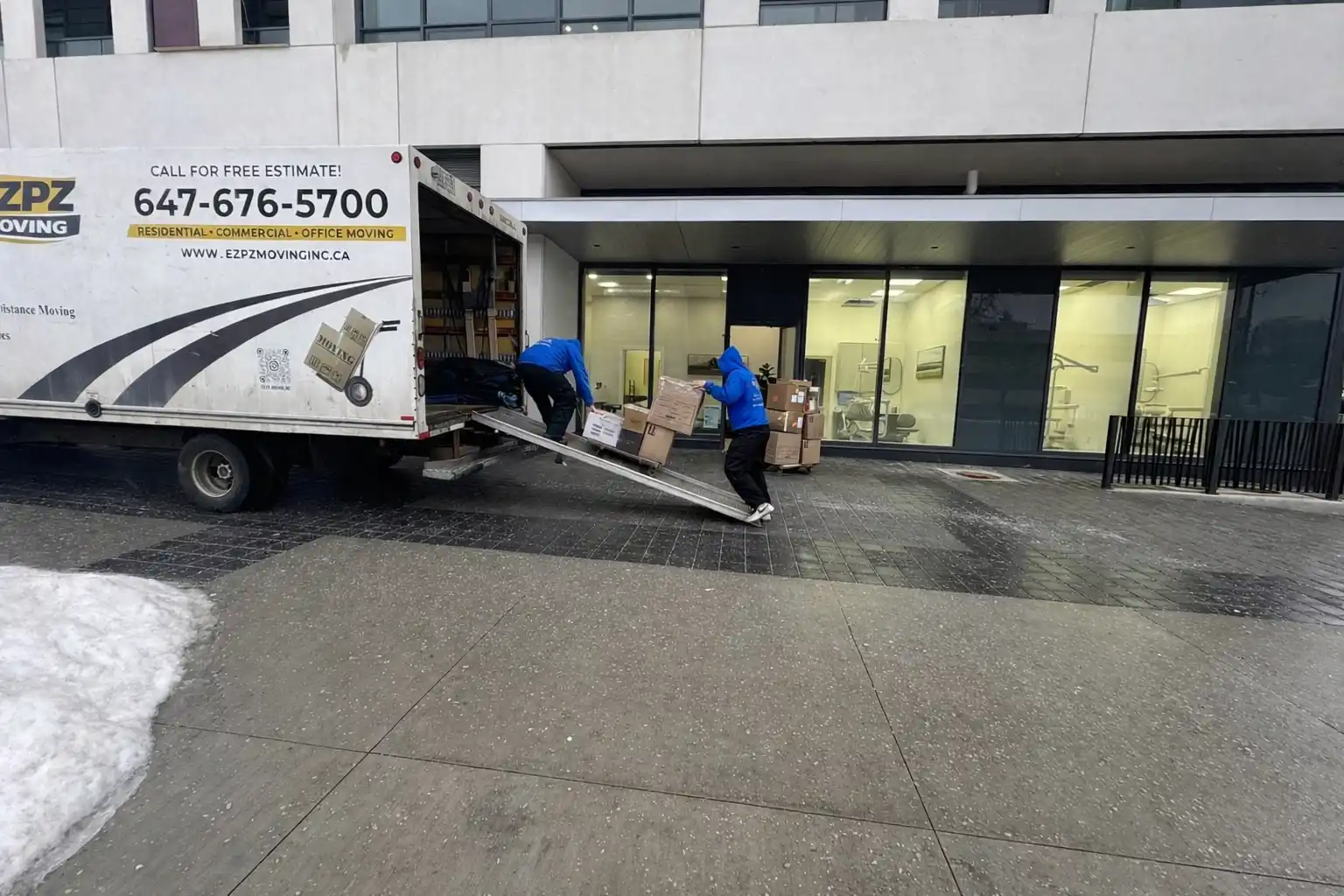
One of the biggest misconceptions people have about moving in Toronto is assuming the entire city operates the same way.
It doesn't.
Toronto is not one moving market.
It is a collection of very different neighbourhoods, building types, access conditions, and logistical challenges.
A condo move in Downtown Toronto often involves:
- Freight elevator reservations
- Building management approvals
- Security check-ins
- Loading dock schedules
- Restricted moving hours
- Limited truck access
- Strict insurance requirements
Meanwhile, a residential move in a lower-density neighbourhood may involve:
- Larger furniture volumes
- Multiple floors
- Longer carrying distances
- Narrow staircases
- Basement storage areas
- Garage contents
- Driveway access considerations
Neither is necessarily easier.
They are simply different.
Some Toronto neighbourhoods are dominated by condo towers and mixed-use developments. Others consist primarily of detached homes, townhouses, duplexes, and low-rise apartments.
Construction activity can vary significantly from one area to another. Parking regulations may differ. One-way streets may impact truck access. School zones, road closures, seasonal events, and traffic congestion all influence how efficiently a move can be completed. Before moving day, it can be helpful to review current City of Toronto road restrictions and closures that may affect truck access and travel routes.
This is particularly true throughout Downtown Toronto.
Neighbourhoods such as:
- King West
- Liberty Village
- CityPlace
- Harbourfront
- Waterfront
- Financial District
- Entertainment District
- St. Lawrence Market
- Distillery District
- Fort York
- Wellington Place
all present unique moving conditions.
A move that takes four hours in one neighbourhood may require six or seven hours in another simply because of access restrictions.
Understanding the conditions of your specific neighbourhood often makes the difference between a predictable move and a stressful one.
Residential Moving in Toronto — Where Expectations Break Down
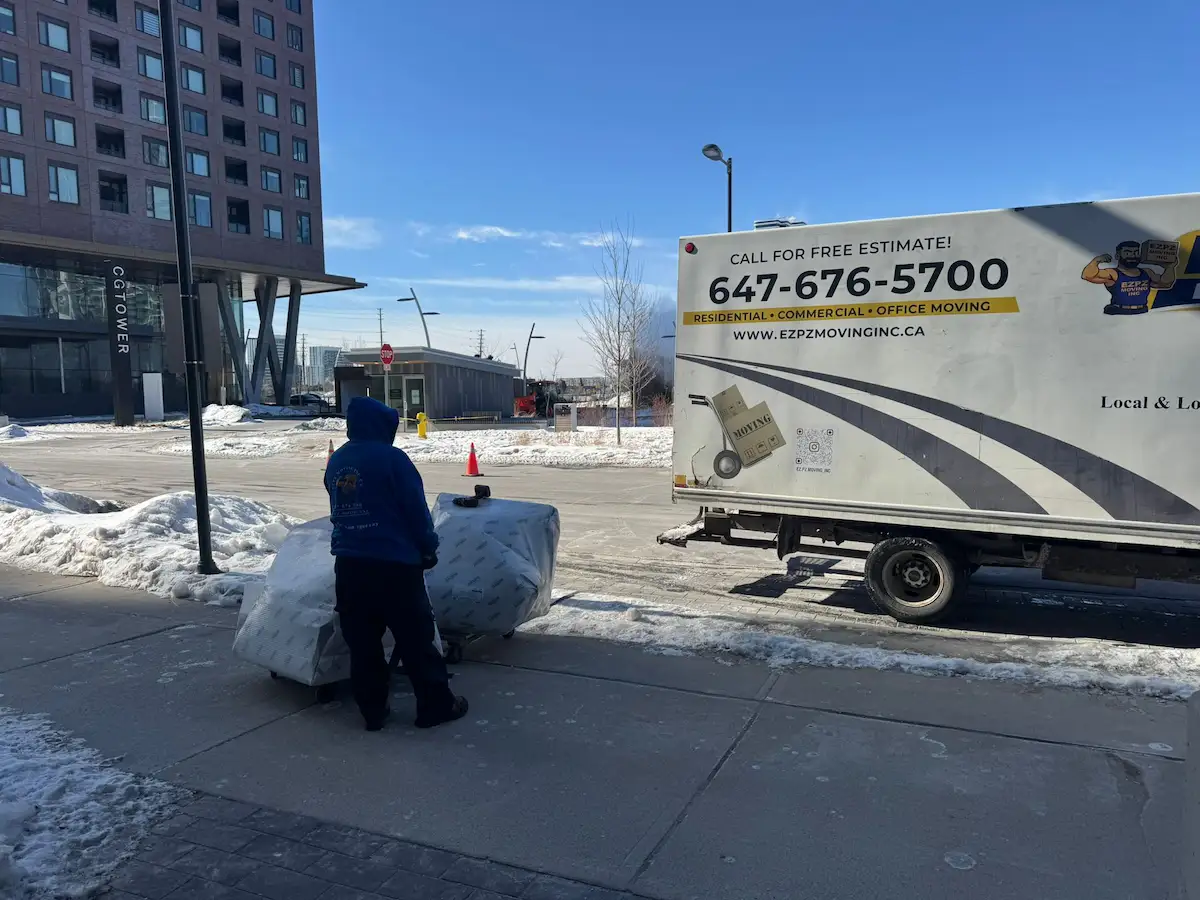
Toronto's residential moving market can generally be divided into two very different categories:
- Downtown condo moves
- Residential home moves
Both come with challenges.
They're simply different challenges.
Downtown vs. Suburbs: Two Completely Different Experiences
Moving out of a condo in King West, Liberty Village, CityPlace, Harbourfront, Fort York, or the Financial District feels completely different from moving out of a detached home elsewhere in the GTA.
In a condo, you're not just moving your belongings.
You're operating inside a building's logistics system.
That distinction matters.
Downtown Condo Moves
A Downtown Toronto condo move often involves:
- Elevator reservations
- Strict move-in and move-out windows
- Loading dock scheduling
- Security coordination
- Limited truck access
- Parking restrictions
- Concierge approvals
- Certificates of insurance
- Freight elevator rules
Even a relatively small one-bedroom condo can become complicated if elevator access is delayed or truck access becomes restricted.
In many Downtown Toronto buildings, moving crews are working against the clock from the moment elevator access begins.
Missing a scheduled moving window can create additional costs, delays, and rescheduling issues.
For this reason, condo moves often require significantly more planning than people initially expect.
Residential Home Moves
Residential home moves create a completely different set of challenges.
These often include:
- Larger furniture inventories
- Multiple bedrooms
- Basements
- Garages
- Outdoor storage
- Longer walking distances
- Multiple floors
- Heavy appliances
- Specialty furniture
Homeowners typically have fewer elevator restrictions but significantly more volume to move.
The challenge shifts away from building logistics and toward organization, protection, loading strategy, and transportation efficiency.
Many people underestimate how much additional labour is required when moving a fully furnished home compared to a smaller condo.
Again, neither move is inherently easier.
They simply require different planning approaches.
Why Residential Moves Take Longer Than Expected
One of the most common complaints people have after moving is that everything took longer than expected.
Usually, that delay isn't caused by one major problem.
It's caused by dozens of small issues stacking together.
For example:
- Waiting for elevator access
- A blocked loading dock
- Construction near the building entrance
- Long carrying distances
- Truck parking limitations
- Unexpected security requirements
- Furniture disassembly
- Elevator sharing with another resident
- Incorrect building access information
Each issue may only add a few minutes.
Combined, they can add several hours.
This is especially common in Downtown Toronto condo buildings where strict scheduling requirements leave little room for error.
When delays occur, they affect every stage of the move.
One of the easiest mistakes to avoid is delaying your elevator reservation.
Many Toronto condo buildings require elevator bookings, security deposits, insurance documentation, and moving authorization forms.
Popular moving dates fill quickly. Weekend bookings are often secured weeks in advance.
Whenever possible, reserve your freight elevator at least two weeks before your moving date. Four weeks is even better during peak moving season.
Most importantly, obtain confirmation in writing. Never assume a verbal confirmation is sufficient.
What Actually Makes a Residential Move Feel Easy
Many people assume a smooth move comes down to speed.
It doesn't.
A smooth move comes from preparation.
The easiest moves usually involve:
- A clear loading plan
- Organized packing
- Confirmed building access
- Reserved elevators
- Established truck parking
- Room-by-room labeling
- Protected furniture
- Clear communication
Without planning, moving day becomes reactive.
With planning, moving day becomes execution.
That difference is often what separates a stressful move from a manageable one.
Packing Is Part of the Move, Not a Separate Problem

Another common mistake is treating packing as something separate from the move itself.
In reality, packing affects almost every stage of the relocation process.
Packing influences:
- Loading speed
- Furniture protection
- Truck organization
- Damage prevention
- Unloading efficiency
- Unpacking efficiency
Poor packing creates problems before the truck even arrives.
Boxes that are overloaded, unlabelled, damaged, partially open, or improperly stacked slow everything down.
Good packing reduces risk and creates efficiency.
For larger homes, condo moves, and relocations involving fragile belongings, working with professionals who specialize in residential moving services in Toronto can help homeowners prepare more effectively while reducing moving-day surprises.
Common Residential Moving Mistakes
Most residential moving problems are preventable.
The challenge is that people often don't realize they are making mistakes until moving day arrives.
Some of the most common mistakes include:
- Booking movers too late
- Underestimating packing time
- Failing to reserve elevators
- Not measuring large furniture
- Leaving packing until the final week
- Using weak or damaged boxes
- Failing to label rooms clearly
- Ignoring building access requirements
- Not preparing an essentials box
Each of these issues may seem small individually.
Together, they can create significant delays, additional costs, and unnecessary stress.
A well-organized move begins weeks before the truck arrives.
Downtown Toronto Requires More Planning Than Most People Expect
Downtown Toronto is one of the most complex moving environments in Canada.
Neighbourhoods such as Liberty Village, CityPlace, Harbourfront, King West, Wellington Place, Fort York, and the Entertainment District are filled with high-rise residential buildings that operate under strict moving policies.
Many buildings require:
- Advance elevator reservations
- Insurance certificates
- Move authorization forms
- Loading dock bookings
- Specific moving time windows
- Security deposits
Building management may deny access if documentation is incomplete.
That is why preparation matters so much.
Understanding building requirements before moving day can prevent major delays and keep the move on schedule.
Many people focus on the moving truck and ignore the building itself. In Downtown Toronto, the building is often the biggest factor affecting the speed and success of a move. Elevator reservations, loading dock access, concierge procedures, and parking availability should all be confirmed well before moving day arrives.
Planning a Residential Move in Toronto?
Whether you're moving from a condo in CityPlace, an apartment in Harbourfront, a townhouse in Liberty Village, or another property within the city, preparation remains the single biggest factor affecting the success of your move.
The most successful moves rarely happen because people work harder.
They happen because people plan earlier.
Understanding building rules, elevator requirements, access conditions, packing requirements, parking limitations, and transportation logistics before moving day arrives can dramatically reduce stress and improve the overall moving experience.
And in a city as complex as Toronto, that preparation often makes all the difference.
Commercial Moving in Toronto — Why Business Relocations Require a Different Strategy
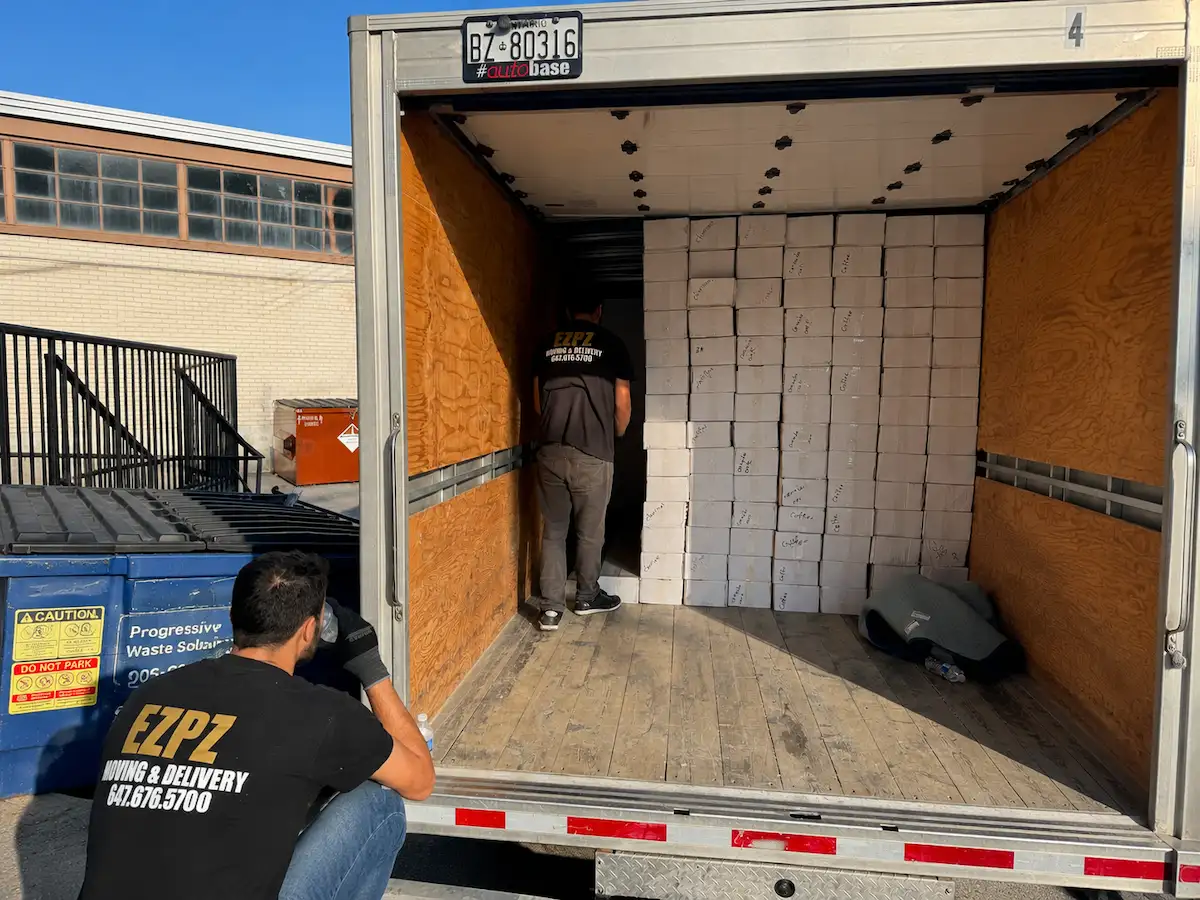
Residential moves and commercial moves may look similar from the outside.
Boxes get packed. Furniture gets moved. Trucks get loaded.
But in reality, commercial moving involves an entirely different level of planning.
Businesses are not simply relocating belongings.
They're relocating operations.
Every hour spent offline can affect productivity, customer service, revenue, employee workflows, and business continuity.
That is why office relocations often place greater emphasis on scheduling, coordination, and efficiency than residential moves.
The Cost of Downtime
One of the biggest concerns during a commercial move is downtime.
Unlike a residential relocation, where delays are usually an inconvenience, delays during a business move can affect daily operations.
Many Toronto businesses attempt to minimize downtime by scheduling moves:
- After business hours
- On weekends
- During holiday periods
- In carefully planned phases
The goal is simple.
Keep the business functioning while the relocation takes place.
Downtown Toronto Office Relocations
Moving an office in Downtown Toronto often introduces additional challenges.
Buildings in areas such as:
- Financial District
- King West
- Entertainment District
- Wellington Place
- Harbourfront
- South Core
typically operate under strict building management policies.
These policies may include:
- Elevator reservations
- Loading dock scheduling
- Access restrictions
- Insurance requirements
- Security procedures
- After-hours access approvals
Without proper planning, these requirements can create delays that impact the entire relocation timeline.
Equipment and Technology Considerations
Commercial moves often involve more than desks and chairs.
Many businesses need to relocate:
- Computers
- Servers
- Networking equipment
- Printers
- Workstations
- File storage systems
- Specialized equipment
Protecting sensitive equipment requires a structured approach.
Labelling, inventory management, cable organization, and room-by-room planning can significantly reduce setup time at the new location.
For companies planning an office relocation, working with professionals experienced in commercial moving services in Toronto can help reduce disruptions while maintaining operational continuity.
Before moving day, create a department-by-department inventory and label system. This simple step can dramatically reduce setup time and help employees return to work faster after the move.
Long-Distance Moving From Toronto — Planning Beyond the GTA
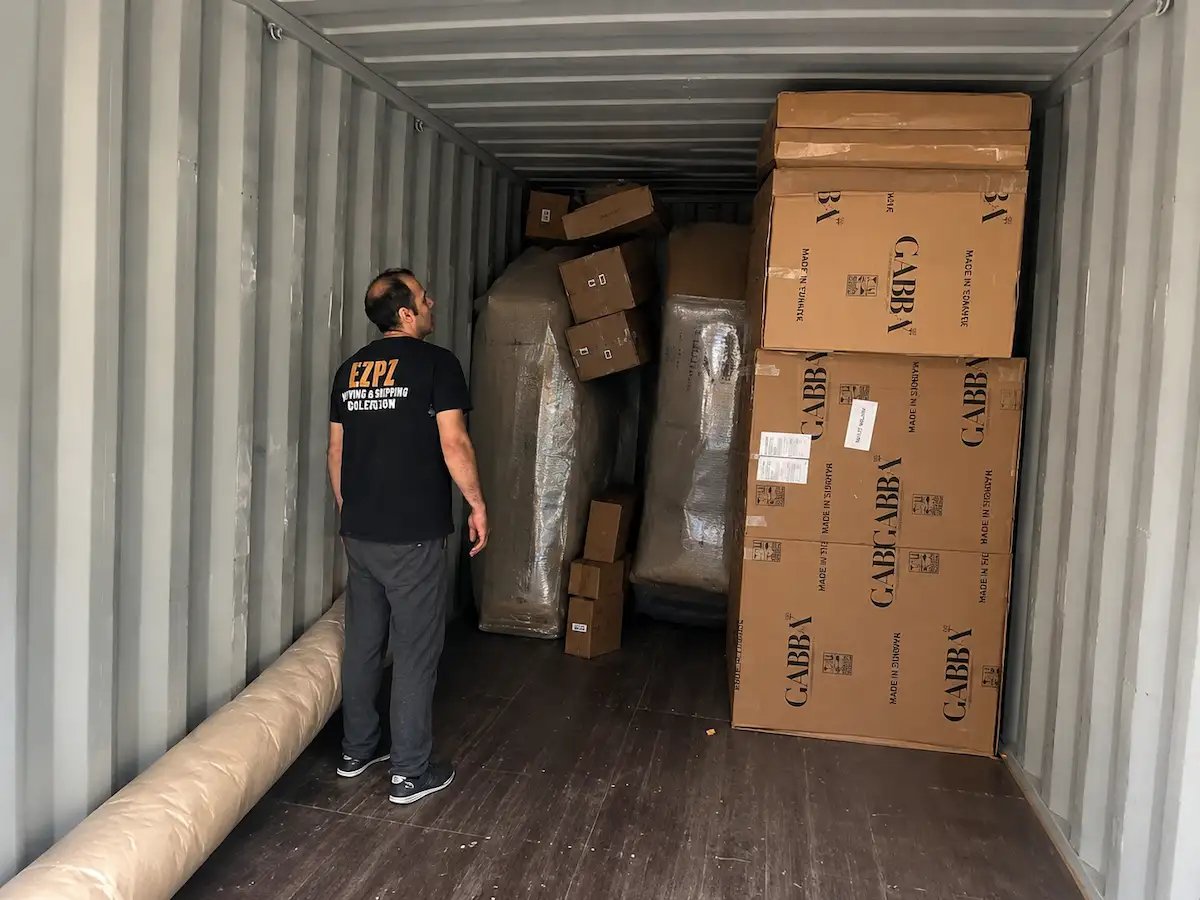
Long-distance moves introduce challenges that simply don't exist during local relocations.
Distance increases complexity.
Travel schedules, delivery windows, route planning, weather conditions, and logistics all become more important.
Unlike a local move where adjustments can often be made quickly, long-distance relocations require significantly more coordination.
Why Long-Distance Moves Require More Planning
Many people underestimate the amount of preparation involved in moving outside Toronto.
A long-distance relocation often requires:
- Detailed scheduling
- Inventory tracking
- Furniture protection
- Delivery coordination
- Route planning
- Storage considerations
- Flexible timelines
The larger the distance, the more important planning becomes.
Common Long-Distance Destinations
Many Toronto residents relocate to destinations such as:
- Ottawa
- London
- Kingston
- Windsor
- Montreal
- Quebec City
- Calgary
- Edmonton
- Vancouver
- Halifax
Each destination creates unique transportation and scheduling requirements.
Delivery timelines, weather conditions, and route availability can all influence moving-day logistics.
Protecting Furniture During Longer Travel
Long-distance transportation places additional stress on furniture and fragile belongings.
Items remain in transit longer and may experience multiple loading and unloading stages depending on the relocation plan.
This makes proper protection especially important.
Professional wrapping, furniture padding, mattress protection, and secure truck organization all help reduce the risk of damage during transit.
Timing Expectations
One of the most common misconceptions about long-distance moving is expecting the same flexibility available during local moves.
Travel conditions, traffic patterns, weather, and route logistics can influence delivery schedules.
For that reason, realistic expectations and clear communication are essential throughout the process.
Families planning a move outside the city often benefit from working with movers who regularly coordinate long-distance moving services from Toronto and understand the logistical challenges associated with intercity and cross-province relocations.
For long-distance relocations, create a separate essentials kit containing documents, medication, chargers, valuables, and clothing for several days. Keep these items with you rather than loading them onto the truck.
Packing Services in Toronto — The Most Underrated Part of Any Move
Most people focus on the moving truck.
They focus on moving day.
They focus on loading and unloading.
But the reality is that many moving problems begin long before the truck arrives.
They begin during packing.
Packing affects every stage of the moving process, from loading efficiency and transportation safety to unpacking speed and organization at the destination.
A well-packed move usually feels easier.
A poorly packed move usually feels longer, more stressful, and more expensive.
Why Packing Matters More Than Most People Think
Packing is not simply putting items into boxes.
It is the process of preparing your belongings for transportation.
When packing is rushed or disorganized, common issues often include:
- Broken fragile items
- Crushed boxes
- Lost belongings
- Slow loading times
- Longer unloading times
- Confusion during unpacking
These problems create delays throughout the entire move.
Good packing improves efficiency from beginning to end.
Items That Usually Require Extra Attention
Certain belongings typically require additional protection during transportation.
- Glass tables
- Artwork
- Mirrors
- Electronics
- Televisions
- Antiques
- Collectibles
- Musical instruments
These items often benefit from specialized packing materials and additional preparation before moving day.
For households with fragile belongings, busy schedules, or larger properties, professional packing services in Toronto can help reduce risk while making the overall relocation process significantly easier.
Label every box by room and priority level. Knowing where each box belongs often saves more time than people realize once unloading begins.
How to Choose the Right Moving Company in Toronto
Most people start their search for movers by comparing prices.
That is understandable.
However, when planning a move in Toronto, price alone rarely tells the full story. To get a clearer picture, it's important to understand the actual moving costs in Toronto and what factors influence them.
The difference between a lower quote and a higher quote is often not profit margin.
It's preparation.
A cheaper quote is not necessarily a bad quote.
But if it fails to account for building access, parking restrictions, elevator reservations, packing requirements, travel time, insurance coverage, or crew size, it may not accurately reflect the true complexity of the move.
This is particularly important throughout Downtown Toronto, where access conditions often have a greater impact on moving-day efficiency than the size of the move itself.
When comparing moving companies, focus on planning, communication, experience, and preparation—not just pricing.
Questions Worth Asking Before Hiring Movers
- Have you worked in Downtown Toronto buildings before?
- How do you handle elevator reservations?
- What happens if access is delayed?
- Are movers employees or contractors?
- What insurance coverage is available?
- Do you offer packing support?
The answers to these questions often reveal far more than the quote itself.
Toronto Moving Checklist: A Practical Timeline
6–8 Weeks Before Moving Day
- Research moving companies
- Compare estimates
- Select a preferred moving date
- Create a moving budget
- Begin decluttering
- Review lease agreements or closing dates
- Gather important documents
4 Weeks Before Moving Day
- Confirm your movers
- Reserve condo elevators
- Contact building management
- Collect packing materials
- Begin packing non-essential items
- Schedule internet installation
- Notify utility providers
2 Weeks Before Moving Day
- Confirm moving arrangements
- Label boxes clearly
- Separate fragile belongings
- Update mailing addresses
- Prepare transportation plans
- Confirm elevator bookings in writing
1 Week Before Moving Day
- Pack remaining belongings
- Confirm arrival times
- Review weather forecasts
- Prepare an essentials box
- Clear hallways and pathways
- Confirm access codes and keys
As this Toronto Moving Guide demonstrates, preparation is often more important than the move itself.
Downtown Toronto Areas Commonly Associated With Complex Moves
Not all Toronto moves are created equal.
Certain Downtown Toronto neighbourhoods consistently present additional logistical challenges because of building density, parking restrictions, elevator requirements, and traffic conditions.
- King West
- Liberty Village
- CityPlace
- Harbourfront
- Financial District
- Entertainment District
- Fort York
- St. Lawrence Market
- Distillery District
- Wellington Place
Each neighbourhood presents unique considerations that should be understood before moving day arrives.
Frequently Asked Questions About Moving in Toronto
How far in advance should I book movers in Toronto?
For spring and summer moves, booking four to six weeks in advance is generally recommended. Weekend dates often fill quickly during peak moving season.
What is the best day of the week to move?
Mid-week moves often provide greater scheduling flexibility and may help avoid some of the congestion commonly experienced on weekends.
Do Toronto condo buildings require proof of insurance?
Many condo buildings require insurance documentation before approving move-in or move-out reservations. Requirements vary by building.
Should I use packing services?
Packing services can be especially valuable for larger homes, fragile belongings, busy schedules, and long-distance relocations.
Are Downtown Toronto moves more expensive?
Not necessarily. However, elevator scheduling, loading dock requirements, parking restrictions, and access limitations can influence the overall time required to complete the move.
Final Thoughts: What a Smooth Toronto Move Actually Looks Like
A smooth move rarely feels dramatic.
There is no rushing.
No confusion.
No last-minute scrambling.
No uncertainty about where things belong.
Instead, everything feels controlled.
The truck arrives.
Access is prepared.
The elevator is reserved.
Furniture is protected.
Boxes are organized.
The plan is executed.
That level of control comes from preparation.
Whether you're moving from a condo in CityPlace, an office in the Financial District, an apartment in Harbourfront, or a home elsewhere in the city, the same principle applies:
The better the preparation, the easier the move.
Hopefully this Toronto Moving Guide helps you avoid the most common mistakes people make before moving day.
Planning a Move in Toronto?
Whether you're relocating a condo, house, office, or planning a move outside the GTA, preparing early can dramatically reduce stress and help your move stay on schedule.
Explore our Toronto moving services: